Sea Angel with Broken Wings
By Silvana Nana Ivandic-Määttä
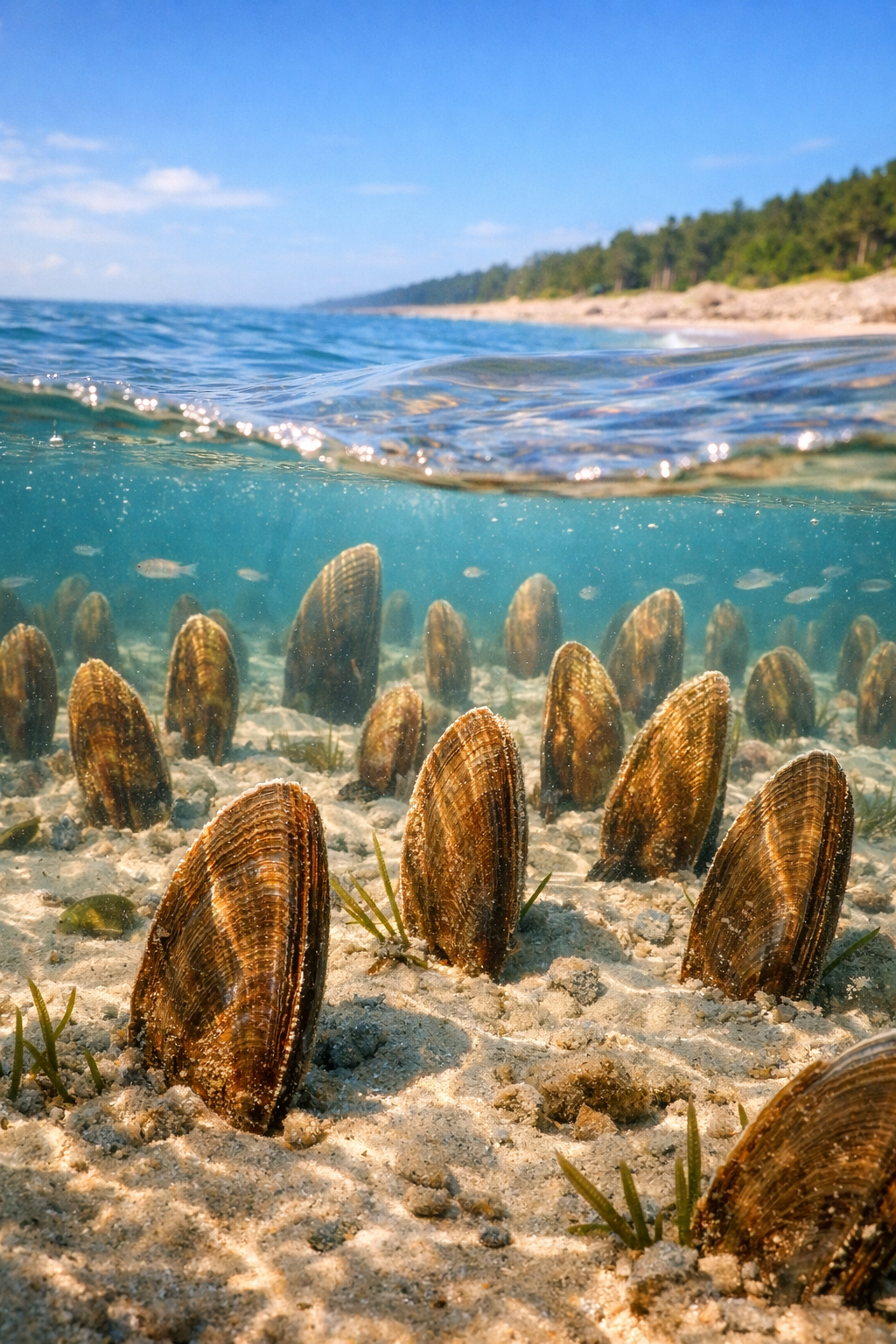
From my childhood days, I remember well, how just twenty meters from the shore, the sandy seabed was full of pen shells.
They ones opened looked like angel wings, just about beginning to fly through the clear blue sea, which is a mysterious world of its own. So silent. So proud. And always beautiful.
There were some large and other small pen shells. Some were as if standing up straight, some bent but all equally gorgeous. I truly enjoyed watching them while many times diving down to them.
When they would even sense my presence, they would immediately close up.
This naturally became a fun game for a young girl under the water.
But once, out of pure curiosity, I touched one that was still open. Since that time, I still have a “souvenir” on my finger. An authentic pen shell bite. I surely learned the lesson and even swimming with them, to not touch!
But what are those shells, and why are they so special and important for the sea ecosystem?
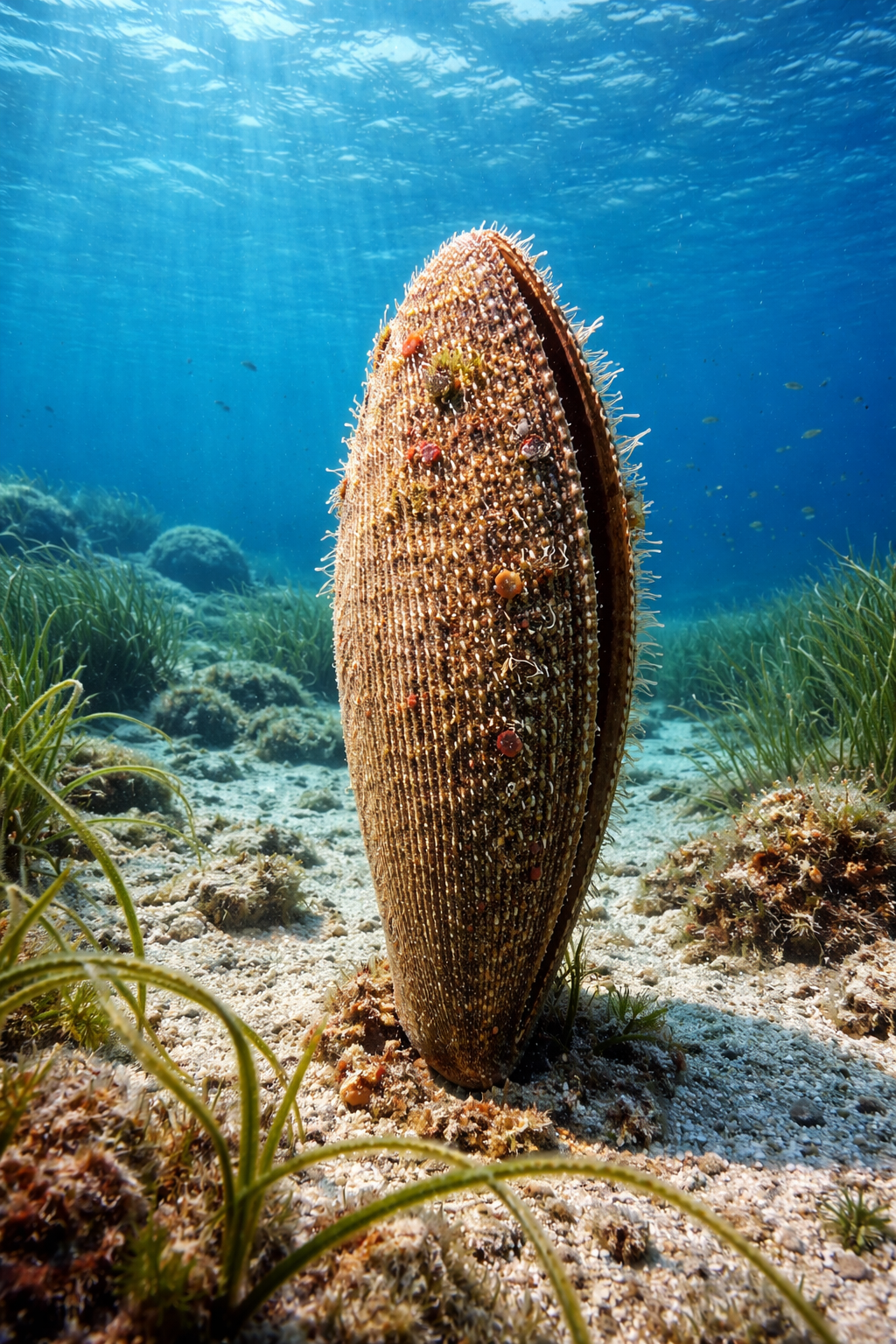
The noble pen shell (Lat. Pinna nobilis) can live up to 45 years and grow up to 1.2 meters. It lives in depths of 0,5m- 30m close to the shoreline. This clam, which lives only in the Mediterranean, uses its angel wing-shaped shell to create red teardrop-shaped pearls (not having real value) – and produces threads called “sea silk.”
The pointed front part is immersed into the sandy seabed attached with special and thin, so-called byssus fibers. They were at one time collected and processed resulting into threads used to make lace, which was an incredibly rare material – shining like gold in the sun. Noble women at the time were wearing gloves made of these fibers as a status symbol.
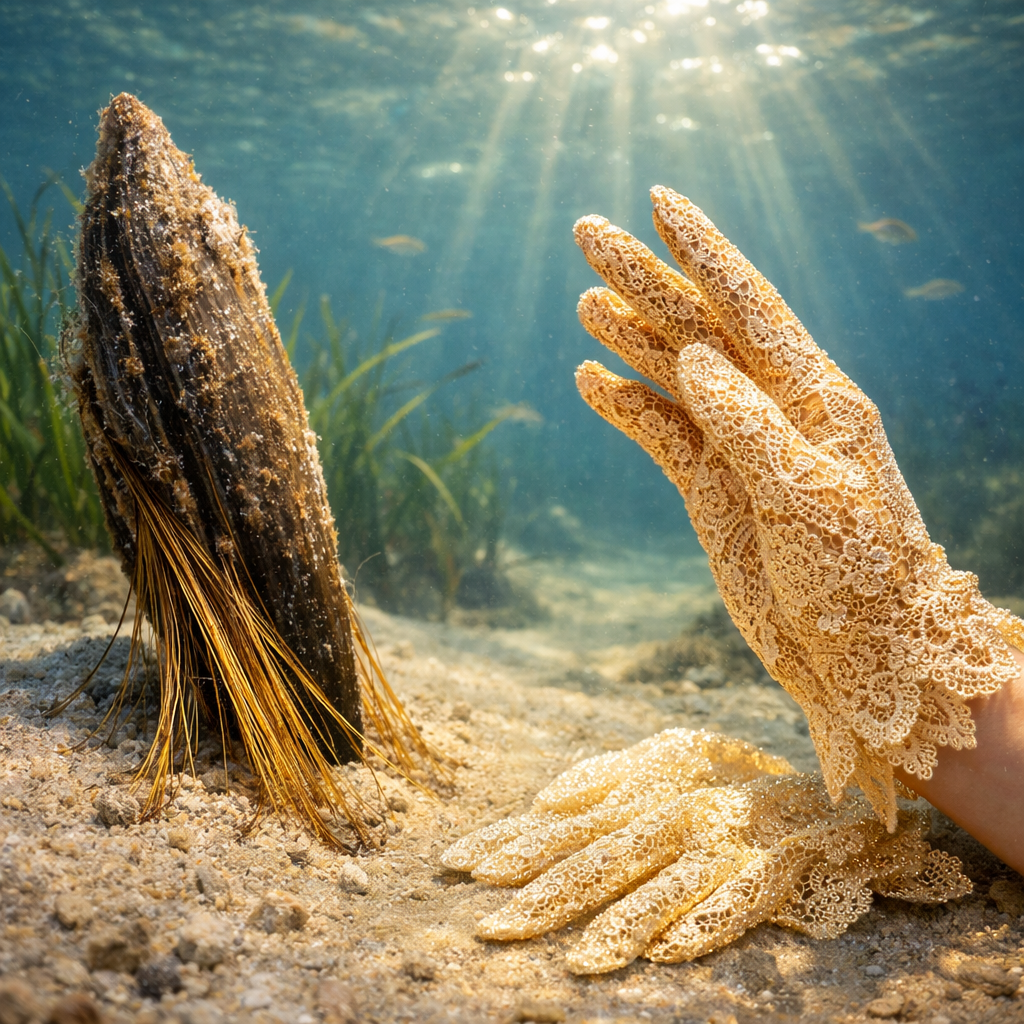
Some believe that this fine fabric is the basis for the Greek myth of Jason’s quest for the Golden Fleece.
Unfortunately – or luckily for the shells – the skill of weaving sea silk from the threads that tie the seashell to the seabed has almost been completely forgotten.
The seashell was a popular summer holiday souvenir along the Adriatic coast up until the 80’s. The angel wing shaped rough outer side would be cleaned, and the fine inner side always held the message: ‘Greetings from the Adriatic’.
The shell, a symbol of the Mediterranean and an indicator of marine health (the pen shell cleans 1000 to 1500 litres of water per day) is today facing extinction due to the presence of a dangerous parasite, sea warming and human activity.
The parasite (the Pathogen Haplosporidium Pinnae) has severely attacked them along parts of the Spanish, Italian, French, Turkish, Cypriot, Croatian, Montenegrin and Greek coast lines.
The shells are protected by the law in Croatia and Montenegro due to overfishing in the past.
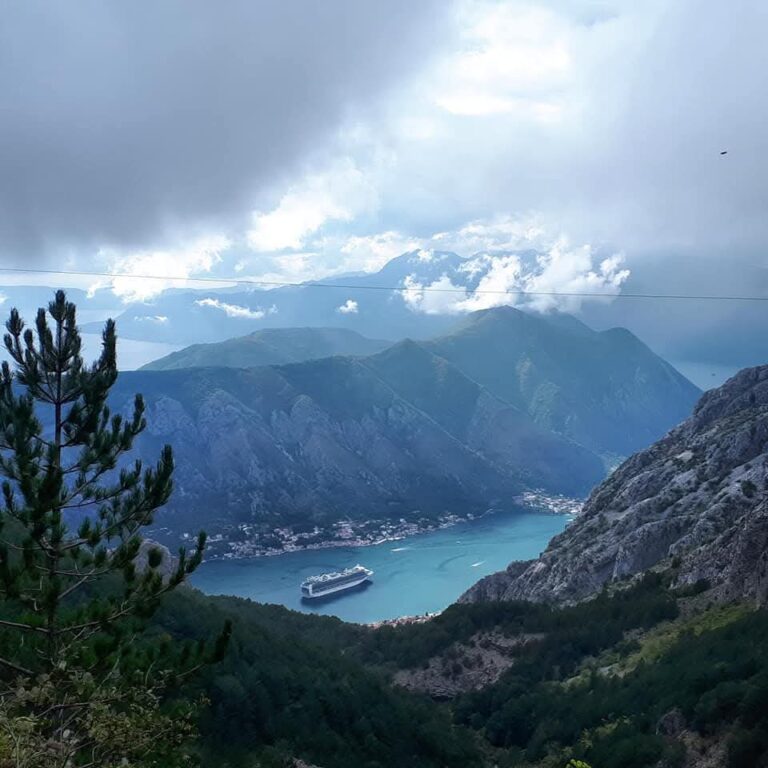
In Montenegro, the Kotor Institute of Marine Biology launched a project to protect this species, studying its ecology and possible breeding in controlled conditions, setting up experimental cages. A similar project is done in Croatia as well.
In Kamenari (Boka Kotorska bay), there is a large habitat of mussels with over 2000 individuals, often exposed to unscrupulous divers. There are numerous factors that have a negative impact, such as sea pollution or shoreline siltation.
Anchorages are also dangerous. Dropping anchors, especially from big ships, may cause physical damage. Another problem is caused by fishing nets, as they attach the shells when they are pulled in.
However, because many people do not know the value of this natural underwater treasure, it would be necessary to have at least a sign at all habitats and bypassers with an inscription to prohibit the fishing of mussels in order to avoid from them to completely dissapear – as unfortunately happened 20 years ago.
Even despite this, people often remove it because it grows near the bathing areas or fisherman posts.
This marine angel with broken wings can fly in the waters again, but only when loved with protection from us humans who hopefully will finally understand the importance of the connection between us and sea life.
A final note and a reminder:
If you happen to see an angel wing shell, don’t touch it, don’t kiss it, don’t take it home.
It already has its own address: the bottom of the sea.
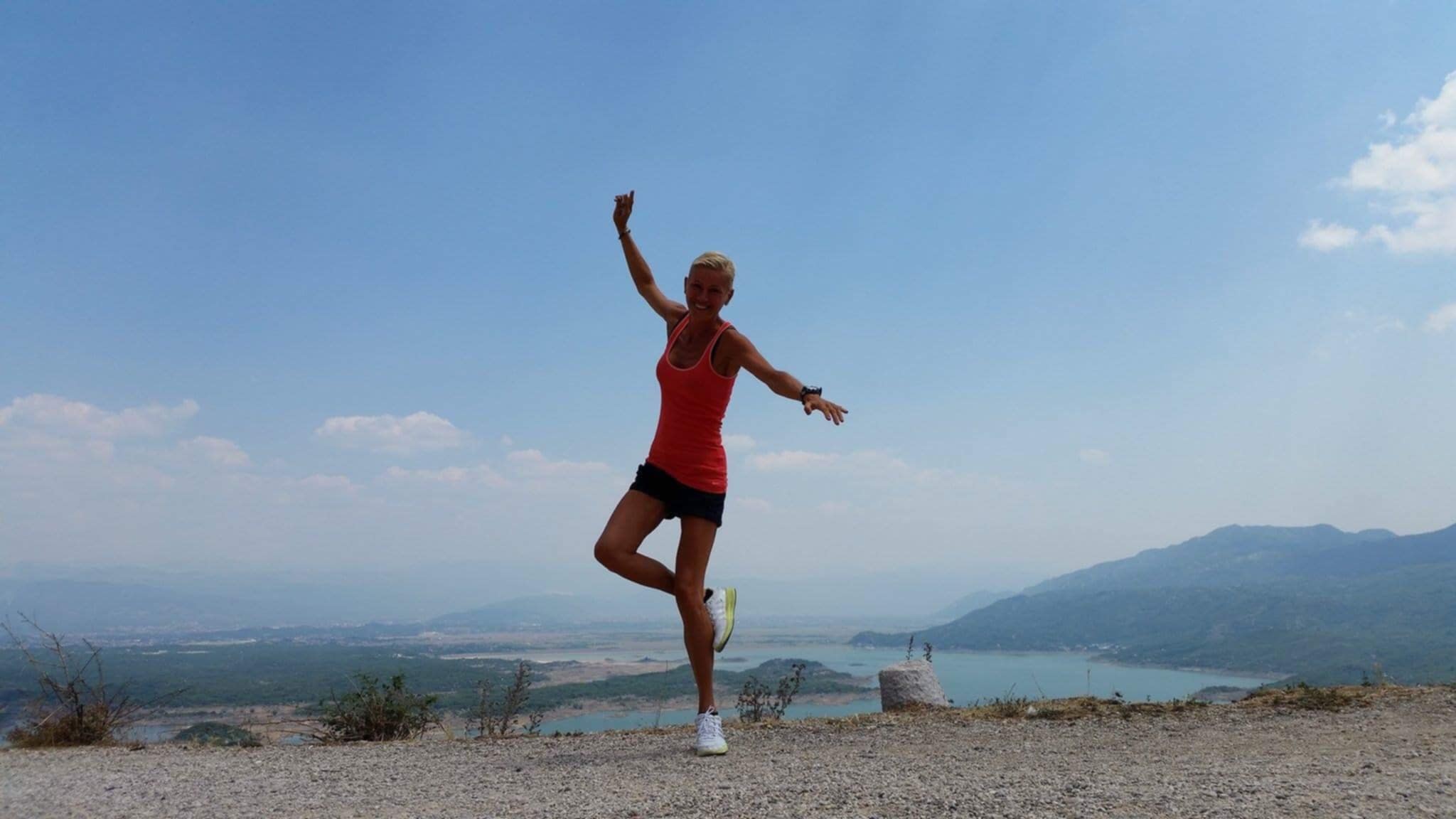
Silvana Ivandic-Määttä (Nana)
nana@totheoceans.com
More info of pen shells:
More info of Montenegro:
Absolutely fantastic. And I didn’t know about them.
Fascinating! Your insight is always interesting and I’m looking forward to your next post a great deal!